The Ultimate Mattress Buying Guide: Tips for Finding Your Perfect Fit
Picking the right mattress is a crucial decision that can greatly impact sleep quality. Various factors come into play, such as sleep position, firmness preferences, and budget constraints. Each type of mattress—innerspring, memory foam, or hybrid—delivers distinct advantages suited to specific needs. Grasping these nuances is necessary for making an informed choice. But how does one manage the complexities of mattress shopping effectively? The following sections will provide clarity on this important journey.
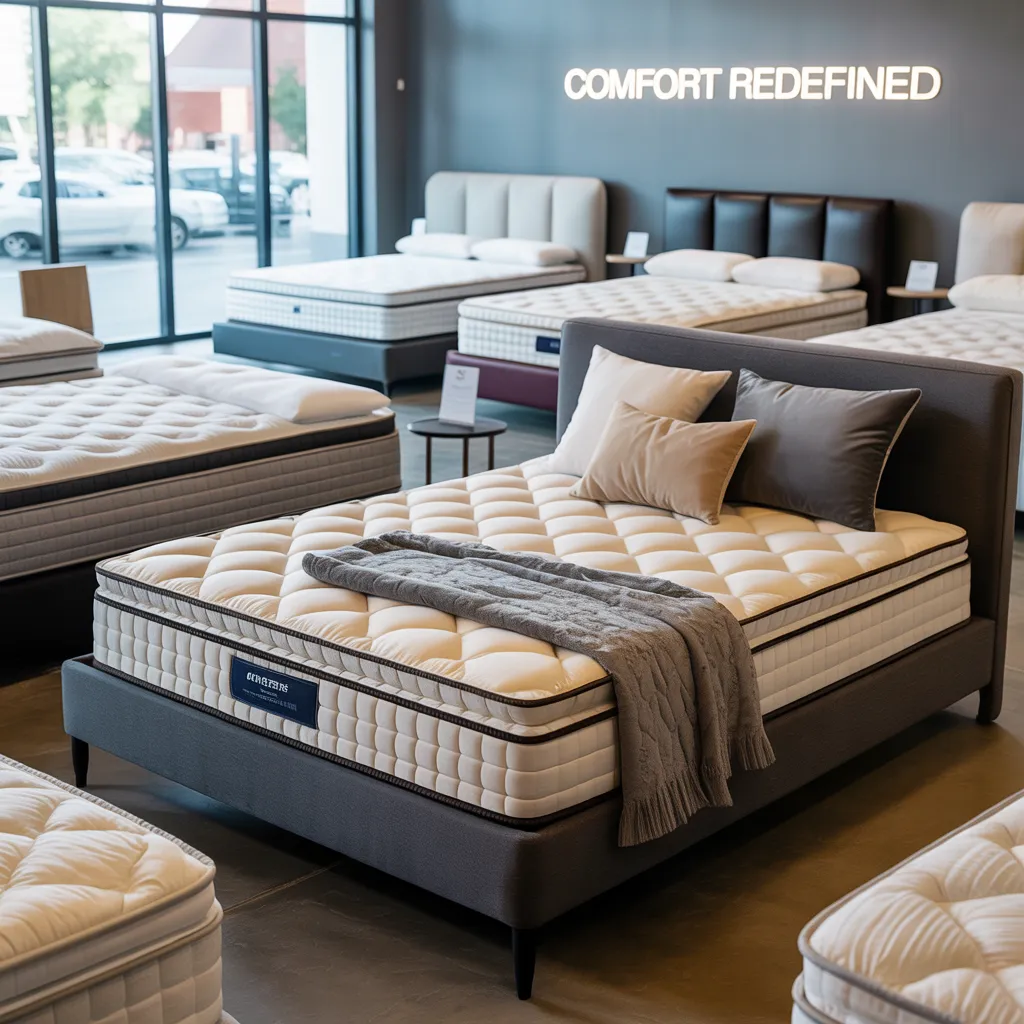
Choosing the Perfect Mattress for Your Sleeping Position
When choosing a mattress, understanding one's sleep position is vital, as it significantly affects overall comfort and proper support. Sleepers generally belong to one of three distinct categories: side, back, or stomach. Back sleepers benefit from a moderately firm mattress that supports the spine's natural alignment, reducing the risk of lower back discomfort. Side sleepers, however, require a more cushioned surface to support the shoulders and hips, minimizing pressure points and improving blood flow. A mattress with latex or memory foam can deliver the required contouring suited to this position. Stomach sleepers require a firmer mattress to stop the body from sinking too far, which can result in spinal misalignment. Each sleeping position presents unique needs that should be taken into account to guarantee اكتشف هذا a restful night's sleep. Consequently, identifying one's predominant sleep position is essential in choosing a mattress tailored to personal needs, thereby improving sleep quality and general well-being.
How to Find Your Perfect Mattress Firmness
How can someone find the ideal mattress firmness? To establish the correct level of firmness, individuals should consider their body weight, sleeping position, and personal preferences. As a rule, petite sleepers often favor a plusher mattress to ensure adequate contouring, while those with a greater body weight frequently benefit from a sturdier surface for maximum support.
Side sleepers typically require a plush mattress to provide cushioning for the shoulders and hips, while back and stomach sleepers usually do better with a firmer mattress to maintain spinal alignment. In addition, the firmness scale extends from plush to extra-firm, allowing for a variety of choices.
Testing mattresses in-store can provide a sense of comfort and support. You should also take advantage of sleep trials available at numerous retailers, giving shoppers the opportunity to determine the right level of comfort in a familiar setting. Ultimately, finding the ideal mattress firmness requires striking a balance between personalized support and comfort to suit individual preferences.
A Comparison of Innerspring, Memory Foam, and Hybrid Mattresses
When evaluating innerspring, memory foam, and hybrid mattresses, each type offers distinct advantages suited to different sleep preferences. Innerspring models are known for their responsiveness and breathability, while memory foam offers outstanding shape adaptation and comfort support. Hybrid mattresses merge qualities of each type, attracting sleepers who desire a balance of support and cushioning.
Advantages of Innerspring Mattresses
Innerspring mattresses have consistently remained a favored option for sleepers, due to their exceptional balance of support and airflow. These mattresses utilize a coil system that provides robust support, making them a great fit for those who favor a firmer sleep surface. The inherent airflow within the coil construction enhances breathability, working to maintain a comfortable temperature and keep sleepers refreshed at night. Furthermore, innerspring mattresses are known for their bouncier feel, which can facilitate easier movement and repositioning. They are typically less expensive than memory foam and hybrid alternatives, delivering an economical choice while still maintaining quality standards. In the end, innerspring mattresses are an excellent choice for those looking for a classic sleep experience with dependable support and comfort.
Memory Foam Advantages
Memory foam mattresses present several key advantages that distinguish them from traditional innerspring and hybrid alternatives. A key advantage is their capability to conform to the shape of the body, delivering tailored support while minimizing pressure points. This feature can lead to improved spinal alignment and enhanced comfort during sleep. Additionally, memory foam is celebrated for its exceptional motion isolation capabilities, minimizing disturbances from a partner's movements. This makes it especially beneficial for couples. What is more, memory foam is typically more resilient than innerspring alternatives, often maintaining its shape and support for a longer period. A wide range of memory foam mattresses feature hypoallergenic materials, making them an ideal option for allergy sufferers. Overall, memory foam provides a unique sleeping experience that many find beneficial.
Hybrid Mattress Characteristics
Although all mattress types bring their own particular benefits, hybrid mattresses merge the top qualities of innerspring and memory foam designs. These mattresses generally consist of a resilient innerspring core covered with layers of soft memory foam. This structure provides a harmonious feel, offering both the bounce of coils and the pressure-relieving comfort of foam.
Hybrid mattresses shine in heat management, as the coils encourage air circulation while the foam layers adapt to the body's contours. They also accommodate various sleep styles by combining support and pressure relief. Ideal for couples, hybrids reduce sleep disturbance, ensuring one partner's movements remain undetected. Overall, hybrid mattresses offer a well-rounded choice for people in search of a tailored sleep experience, merging both comfort and support in an effective way.
Determining a Reasonable Budget for Your Mattress
When establishing a mattress budget, it is crucial to determine a reasonable price range that matches your specific needs and preferences. Moreover, buyers should consider any supplementary fees, such as delivery fees or accessories. Researching financing options that are available can also provide flexibility for those looking to make a significant investment.
Set Your Budget Parameters
How does one go about setting a budget for a new mattress? Determining a price range is vital for a successful purchase. To begin, researching average mattress prices is important, which commonly span from $300 to $3,000, varying by size and material. Next, individuals should consider their specific needs, such as firmness and longevity, to help justify a higher investment if necessary. Assessing one's personal financial situation is equally important; establishing a budget that reflects one's financial circumstances ensures mindful spending. Moreover, considering the anticipated lifespan of the mattress can inform the choice, since premium options often deliver greater value in the long run. Ultimately, a well-defined price range can streamline the selection process and lead to a satisfying purchase.
Account For Additional Costs
While setting a budget for a new mattress, it's important to account for additional costs that may occur beyond the purchase price. These costs can include delivery fees, which change according to the retailer and location, and may be eliminated during sales events. Additionally, mattress removal services might come with additional fees for disposing of the old mattress. Accessories such as mattress protectors, pillows, and sheets should also be taken into account, as they enhance the overall sleeping experience. Warranty and return policy factors are important; some brands offer extended warranties at a cost. By accounting for these additional expenses, consumers can develop a realistic budget that guarantees not only the purchase of the mattress but also the complete setup for a comfortable night's sleep.
Discover Available Financing Options
Managing the realm of mattress financing options can significantly reduce the strain of upfront costs. Numerous retailers present installment plans, permitting shoppers to spread payments over several months without incurring interest if paid on time. Moreover, some stores provide promotional financing with deferred interest, which can be helpful if one is certain about completing timely payments. Independent lending institutions also provide flexible options, often requiring a quick credit check. Shoppers should assess their financial situation and develop a realistic budget before committing to any financing plan. Knowing the total cost, including potential fees or interest rates, supports informed decision-making and helps in choosing a mattress that fits both comfort needs and financial capabilities.

What to Look for When Testing Mattresses in Stores?
When evaluating mattresses at retail locations, what key factors should a buyer focus on to make a smart decision? Comfort is the top priority; shoppers should lie down in their preferred sleeping positions to assess support and pressure relief. It's advisable to spend at least 10 minutes on each mattress, allowing the body to acclimate to the surface. Buyers should additionally evaluate the mattress's firmness rating, which differs considerably and influences sleep quality. Moreover, examining the construction materials is important; memory foam, innerspring, and latex each deliver different benefits. Shoppers should check for motion isolation, especially if they share the bed, as this can affect sleep disturbances. In conclusion, checking the return policy and warranty details can give confidence that the investment remains secure. By focusing on these key factors, shoppers can make informed decisions that align with their individual sleep needs and preferences.
Tips for Caring for Your Mattress to Help It Last Longer
Proper care for a mattress can greatly extend its lifespan and maintain comfort. Consistently rotating the mattress every three to six months promotes even wear distribution, reducing the risk of sagging. It is also advisable to use a mattress protector, as it guards against spills, dust mites, and allergens, helping to preserve both hygiene and structural integrity.
Regularly vacuuming the mattress helps remove dust, dirt, and debris, contributing to a more hygienic sleep environment. To address stains, applying mild soap and water is advisable, but too much moisture should be avoided to avoid mold development.
In addition, ensuring the mattress is supported by a suitable foundation or bed frame is essential, as poor support can cause the mattress to wear out sooner than expected. Lastly, maintaining proper bedroom ventilation assists in controlling humidity levels, providing additional protection for the mattress. By following these care tips, individuals can enhance both the durability and comfort of their mattress for years to come.
Questions We Often Receive
How Often Should I Replace My Mattress?
Most experts recommend swapping out your mattress every 7 to 10 years. Indicators such as wear, discomfort, or allergies may signal that a replacement is necessary, as such factors have a significant effect on sleep quality and general health.
What Materials Are Safe for Sensitive Skin?
Natural materials including organic cotton, wool, and latex are generally gentle on skin sensitivities. Such materials are breathable, gentle on the skin, and hypoallergenic, making them perfect selections for those prone to skin sensitivities.
Does a Mattress Have an Effect on My Allergies?
A mattress can notably affect allergy symptoms. Materials like latex, memory foam, and natural materials are known to decrease allergens, while older mattresses can collect dust mites and mold, worsening allergy-related discomfort in those with sensitivities.
What Warranties Should You Look For?
When shopping for a mattress, individuals should prioritize warranties that cover at least 10 years, addressing manufacturing defects and sagging issues. Trial periods and extended warranties can also offer peace of mind for long-term satisfaction and investment protection.
How Can I Get Rid of My Old Mattress?
To remove a used mattress, consider recycling options, donating if in good condition, or contacting local waste management services for bulk pickup. Numerous retailers provide disposal services when you buy a new mattress.